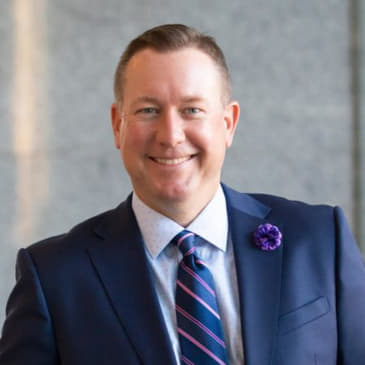

Ever wondered what it takes to thrive in the competitive world of commercial real estate? Join Clayton in this latest episode of the CRE Project as it delves into the intriguing career trajectory of Trae Anderson, a seasoned professional in the industry. From unexpected beginnings to navigating mentorship and mastering the art of deal-making, Trae shares invaluable insights into building successful relationships and adapting to market dynamics.
In this episode, listeners can expect to uncover Trae's journey from political campaigns to the University of Oklahoma's fundraising scene, eventually landing in the realm of commercial real estate. Highlighting the pivotal role of mentorship in his career, Trae reflects on the keys to a successful mentor-mentee relationship, emphasizing autonomy, trust, and shared camaraderie. As the discussion unfolds, Trae provides a candid analysis of the evolving office space landscape, offering perspectives on market trends, tenant behaviors, and the future of workplace dynamics.
Whether you're considering a career in commercial real estate or aiming to enhance your understanding of market dynamics, don't miss the opportunity to glean insights from Trae's wealth of knowledge and expertise.
[00:00:00] Welcome to the CRE Project Podcast, the show where we take a deep dive into the world of
[00:00:14] commercial real estate. I'm Clayton King, your guide through the complex environment
[00:00:19] of commercial real estate. So, whether you're looking to invest, develop, or simply understand
[00:00:25] how commercial real estate shapes our cities and economies, the CRE Project Podcast is your ultimate resource.
[00:00:48] Clayton King Thanks so much for jumping on the CRE Project
[00:00:51] Podcast with me today. Excited to have you on the show and discuss some very interesting
[00:00:56] topics as it relates to the office. Clayton King Thanks for having me.
[00:00:59] Clayton King Absolutely, man. Thanks for taking the time.
[00:01:02] So, you're known obviously working with younger partners, have a leadership role within that company.
[00:01:07] I've been a broker for 20 plus years in the DFW market. But take us back. How did you get
[00:01:13] started in the industry? You know, what kind of attracted you to being a commercial real
[00:01:17] estate broker in the Dallas market? Clayton King Okay. It would be akin to
[00:01:22] tripping over a rope and following into a hole. I did not plan this. I did not have anything in
[00:01:30] my career path that said real estate of any kind, let alone commercial real estate where I grew
[00:01:36] up. I grew up in Norman, Oklahoma. I didn't know there was a difference between a commercial
[00:01:40] real estate broker or I thought if you could sell a house, you could sell a building and
[00:01:44] what's the difference? Like most people probably would. Got out of school, worked on some political
[00:01:50] campaigns and then I got a gig working as a fundraiser at the University of Oklahoma and
[00:01:54] I did that for five years. And it was a blast. I mean, it was a lot of fun. Got to travel,
[00:02:00] got to meet people, got to pay for dinner and drinks. It was a lot of fun for paying
[00:02:05] for everybody else, not for myself because we didn't make enough there to buy our own.
[00:02:10] But made a lot of friends and made a lot of contacts and would come to Dallas and Houston
[00:02:15] and San Antonio and Austin. And there was a person here in Dallas that was an OU alum that
[00:02:22] every time I came to see him, was able to get him to write a check and he goes, man,
[00:02:26] you should come work for me. I'd like to see what you could do with a tangible product.
[00:02:30] I'm like, yeah. Well, I find myself working in Dallas Fort Worth not long thereafter and
[00:02:35] for him mentored me for eight and a half years, taught me the business.
[00:02:40] You know, I had no idea that my first listing in the Stimmins area of near Mockingbird and
[00:02:46] left field, that's an area of the building that I concentrated on a long time.
[00:02:52] It's interesting. It's refreshing to hear a new story because typically we always
[00:02:58] hear the same story as far as people getting into commercial real estate and basically
[00:03:03] they have a family. They're bad or they're no. Yeah, yeah. So it's interesting to hear
[00:03:09] from somebody that got into it, not necessarily knowing what they were getting into and how long
[00:03:15] ago was that? That was, I started in commercial real estate in July of 1999. Okay.
[00:03:22] And hearing all my extensive financial background from my journalism degree.
[00:03:27] Yes.
[00:03:28] As you can tell I'm dripping in sarcasm. Yeah, so thank goodness I knew how to use Excel.
[00:03:34] I quickly learned how to use an HP12C and just carried that around to give me a little bit of
[00:03:39] cred with everybody else in the office who knew how to do all the financial equations
[00:03:45] in their head. So, but I liked it immediately. You know, I got into business,
[00:03:50] he turned me loose on a building and in like my second month in the business,
[00:03:55] he was going, he's like, Hey, I'll give you $2,000 a month for three months.
[00:03:59] And then you can, but if you make a deal, you can go commission before that. Okay, fine.
[00:04:04] So my second month in the business, I do a direct deal for 7,000 feet
[00:04:09] and make a very nice fee. And I'm like, yeah, this is the greatest job in the world.
[00:04:15] And then I didn't do another deal for six months. And I'm like, yeah, I don't know about
[00:04:20] this. You know, I was lucky, man. I had people that believed in me and looked after me and
[00:04:26] taught me. And I think that's what probably instilled that quality in me to try to make
[00:04:33] sure we do the same for others. And it very much paid it forward towards others because now
[00:04:40] I find myself saying and doing the same things as my mentor did.
[00:04:46] So you said you worked with your mentor for eight years, right?
[00:04:49] Yeah. Yeah.
[00:04:50] So we have a lot of people that ask about mentorship that want to get into the business.
[00:04:56] I mean, what do you contribute to the success of your relationship to be able to work with
[00:05:01] your mentor for eight years successfully?
[00:05:05] Wow. That's a really good question. I think that it was just that I was given a
[00:05:09] lot of freedom. It was a smaller shop. It was more, it was a boutique. So
[00:05:13] early on I was sitting in rooms with decision makers. I was allowed, I was given that access.
[00:05:19] I wasn't, I mean, yeah, I was doing some analytics and yes, I was doing market studies and,
[00:05:25] you know, stacking buildings and getting kicked out of buildings and
[00:05:29] bribe and security guards with candy bars. And I mean, yeah, same thing we've all done.
[00:05:34] But I got not just to see and meet the person who made the decision, but here are the
[00:05:38] reasons why they made the decisions they did. And we grew the company and so I was still enabled
[00:05:46] to sit and then to just directly contact set owners. So I was given a lot of freedom
[00:05:52] and it was probably due to the fact that I was a little bit older. You know, I was 26 years old.
[00:05:59] So when I'm coming out into the business, I had a little bit more work experience.
[00:06:05] They didn't have to hold my hand as much. I think the hardest thing for me was just to
[00:06:09] learn the business. But the most valuable thing he taught me was to
[00:06:16] learn how to recognize if what you're working on is actually a deal. Is this a deal? Is this
[00:06:22] a waste of time? Relyed upon me to make that decision so he didn't have to. So it's like,
[00:06:28] I think every time we got to the point where someone else came to talk to me,
[00:06:30] I got promoted. And so I stuck around and then when the company and then Katrina hits,
[00:06:38] our company started doing a lot of business in Louisiana, but I was still in Dallas.
[00:06:42] And it just seemed a good time. I had an offer to go to another firm. I took it
[00:06:47] with the support of my mentor because he always said something to me.
[00:06:50] And he's a great guy. His name is Michael Brigham. It's a capital commercial.
[00:06:53] Because they get my shout out. Yeah.
[00:06:54] Yeah. Thank you, Michael. Appreciate you.
[00:06:57] As a matter of fact, it's funny. He's positioned out. I lease buildings for them today.
[00:07:01] So it's a great, it's an awesome experience because I also know him well enough to know
[00:07:06] before we pick up a phone. I can tell one of my coworkers, all right,
[00:07:09] here's what he's going to say to us when we try to sell the steel. And it's good to know
[00:07:13] that forethought. But yeah, it just was a great experience to move on. But he always said,
[00:07:20] you never want to fault someone for trying to better themselves.
[00:07:23] And I think I'd done all I could there and it was time to go someplace else.
[00:07:28] And he even said to me, we still talk about it. We still kind of joke about,
[00:07:32] you know, what if we don't stay? And we all, we both agree that it was better and
[00:07:35] everyone's got to do their thing. And I think he said something like as a mentor,
[00:07:40] you may not want them to leave, but you expect them to. So you expect the people you teach.
[00:07:44] And I've seen that happen. I mean, we've talked quite a few people is not,
[00:07:48] I'm not giving saying we're credited for making other brokers what they are.
[00:07:52] I mean, you can't teach someone work ethic. You can't teach someone character.
[00:07:58] They just you have it or you don't. Yeah, I asked the question because I have a similar experience.
[00:08:03] I worked with my mentor that turned into a partner over the course of the years.
[00:08:09] I always like to bring up when somebody has a good mentor to talk about it because
[00:08:14] I often tell people, I think that oftentimes, you know, people that want to get mentored
[00:08:18] have the wrong perspective when entering the relationship. And it's what can I get out of
[00:08:24] this person versus how can I add value to this person? And in turn, like you said,
[00:08:31] you'll just be included on things because you're adding value and they see the value in you and
[00:08:36] you're absorbing what they're all the information that they're giving you. And it's
[00:08:40] really a beautiful thing when you have a good mentorship and partnership starting out.
[00:08:44] And it's just such a crucial thing in this industry in order to be successful is to set
[00:08:50] that foundation and to have a good mentor. So it's something to truly be valued. So
[00:08:55] I can just when you said eight years, I was like, wow, this was really a special thing that you
[00:08:59] guys had to get to hear that you guys obviously still have a relationship and are still friends.
[00:09:05] We are very close friends. And I tell you what's really interesting in course we have the same
[00:09:10] alma mater, which we both serve on the state fair of Texas chairmen's task force. So
[00:09:17] we do a lot of things together outside of the office. But there's still plenty of room for
[00:09:22] the amount of grief we give one another because that's what we do. That's a good friendship.
[00:09:28] Yeah, we had similar backgrounds though. We're both from smaller town in Oklahoma where
[00:09:32] both our fathers were both in the military. We both came from big families. We neither
[00:09:38] one were from Dallas to have a pipeline into any one area of the city. We truly were the,
[00:09:45] I don't know, say outsiders but to a point we were and so it created competition.
[00:09:52] And we're both as most brokers are incredibly competitive. I mean, yeah, we all want to get
[00:09:58] paid. We all want to do well for our families. But I think a lot of the brokers that I know
[00:10:03] and came up with man, we just want to win. Yeah, that's it. Pete. That's it. I don't care if it's
[00:10:09] the deal. I don't care. It's checkers. I mean, if it's a friendly game of foosball, I mean,
[00:10:15] whatever it is. The only thing that's different is you get older. You just get a little bit
[00:10:19] better at handling it than maybe when you were younger. Yeah, so true. So you mentioned
[00:10:25] you were 26 then when you got into the industry. Okay. Where were you at 26? Did
[00:10:30] you have a wife? Did you have kids? Yes, I was married at that point. We had different career
[00:10:35] paths and no children. So it was just, I call it a breakup with paper, you know, no harm, no foul.
[00:10:42] Yeah, that's good. Yeah. I don't ask that obviously to get personal. I just ask
[00:10:45] because a lot of times people come to me just because I own a brokerage now. They have
[00:10:51] a wife and two kids and I'm like, man, it's a tough road to hoe. I'm not saying you can't
[00:10:57] do it, but I mean to get into commercial real estate, you're looking at a year or two years of
[00:11:03] very, a very small earning compared to probably what you're accustomed to. So you being 26 when
[00:11:10] I heard that I was like, I wonder where he was at and what type of responsibilities he had because
[00:11:14] I was lucky that I got into the business when I was 22 straight out of college already broke.
[00:11:19] I was used to that lifestyle. So it's just a dynamic and it was probably interesting. I'd even
[00:11:25] guess from you because it sounds like you had a career, successful career before and then transitioning
[00:11:31] into $2,000 a month until you make your first deal. It was a little different. I mean,
[00:11:37] I grew up in Norman and I went to you. So I really never had the opportunity to move away
[00:11:41] from home. This was kind of, I was just doing that later than everybody else, I guess. And then
[00:11:46] I am married and I have a little boy now. And so he's almost five and have been
[00:11:52] happily married for 11 years. So life just kind of happens, you know, I didn't
[00:11:59] So really quick not to get off, but I think this is interesting because I live the same
[00:12:03] path and it's fun to talk to another guy that I have a six year old son as well
[00:12:07] and a one year old. So I'm kind of in the trenches if you will along with you kind of full
[00:12:13] circle. What would you a role right in a career that is commission based? It's 100% commission.
[00:12:20] You eat what you kill. What do you think leads to or helps a successful marriage when you're
[00:12:27] 100% fee based? Okay, well I think that the one thing I
[00:12:34] will say preach but I think if you walked into any person at our office and said,
[00:12:39] hey, what is Tray's number one rule and it's manage expectations. And I don't keep that
[00:12:46] within the confines of the commercial real estate business or my marriage. It's everything. It's
[00:12:53] family, friends, clients, landlords, tenants, everyone. As long as you're able to manage
[00:13:00] the expectations on your side or the other that typically keeps you in pretty safe waters.
[00:13:09] Whatever you lose the ability to do that by a lack of communication or
[00:13:14] or just a lack of brutal honesty. That's when you're going to find yourselves now having to
[00:13:21] swim a little more quickly up current. I don't know why I'm using all these water references,
[00:13:25] maybe even my dad being the naval officer. It's just in my subconscious but that's how we do it
[00:13:31] and what how I do that is just make sure that man I keep that family calendar up to date. So
[00:13:38] I try to be home for dinner every night. That's a big thing too because that's our time
[00:13:42] together, the three of us. And I don't ever want them to think that's not important. So
[00:13:48] that is probably the number one thing is just to be present and then to manage the expectations.
[00:13:54] That way I like I'll give you for instance like yesterday she's like, okay, remember I've got
[00:13:59] this and this and this this evening. So when you cut home, you have the boy and I'm like no
[00:14:03] problem on the way out the door. I'm like, remember I've got this and this and this
[00:14:07] and this and this evening. And we're both laughing about it. So I think as long as we keep laughing
[00:14:13] about it, everything's okay. There you go. Yeah, no, I appreciate it. And like I said,
[00:14:18] I feel like it's an important topic to touch on because a lot of people in our industry or that
[00:14:24] are interested in getting into the commercial real estate space that may be married, I think need
[00:14:29] to know what it takes. And I'm kind of with you. I mean, I have a very successful marriage
[00:14:34] with my wife. And I just tell people all the time it comes down to, to communicating. That's
[00:14:39] really what it takes to really have a successful marriage. And like you said, it's not only a
[00:14:43] marriage. It's an every aspect of your life. But I always feel like that's an important thing
[00:14:48] to share. So yeah, I have a friend in the business that what they do when they hire new
[00:14:53] brokers is his wife will take the significant other of the new hire out to dinner.
[00:15:03] Include the person in and that it could be a husband or a wife and she will sit there and go,
[00:15:09] okay, here's what you can expect on this side. And I'd never heard of anybody doing that.
[00:15:16] And I thought it was genius. Yeah, smart. And it made the, I think it made it a lot better
[00:15:21] at home for the brokers to when they came home. I think a lot of people don't realize
[00:15:27] you spend the entire day on a grind or even arguing with multiple people during the day.
[00:15:35] The last thing you want to do is roll into the door and do that with your person, you know? So
[00:15:43] I thought that was a really smart move. Yeah, no, absolutely. Get them to know what they're
[00:15:47] getting into. Right. So cool. Well, thanks for giving us some background, man. That's
[00:15:53] fantastic. Let's pivot a little bit. Let's talk about what's going on right now. I always laugh
[00:15:58] with a bunch of my office buddies. I just tell them thank you because I'm like, as a retail guy,
[00:16:03] I've been the, I've been having the spotlight on me. I've been the ugly girl at the dance now for
[00:16:08] you know, 10 to 12 years. So it's kind of nice. Everybody's talking about office and
[00:16:14] what's going on with office. So would love to kind of get your input. I mean, let's talk
[00:16:19] about what's going on globally with office space. I mean, we all hear the headlines or the headlines
[00:16:25] true. Is there just a ton of blood? I mean, is there a lot of activity? I mean, fill us in. Give us
[00:16:30] the overview. Okay. Well, I'm sure there's a lot of people out there way smarter than me
[00:16:37] that would be able to answer all the questions on an economic and financial basis.
[00:16:42] I think it's unique having a degree in journalism and that you bring up the headlines
[00:16:46] because it just depends on where you are and what you're in. Speaking nationwide, if you're in New
[00:16:54] York City, if you're in San Francisco, if you're in Atlanta, you're in Houston, you've seen
[00:17:00] you've seen some pretty dark days and the guy with the best flashlight is going to
[00:17:05] going to do really well. But I don't know how that looks for those markets. Okay. I just
[00:17:11] I don't work in them. I just have clients that live in them that will go on and on about lament,
[00:17:20] if you will, about the desperation because they're loaned to value is so nuts. I mean,
[00:17:26] where they were having their value was so much higher and now their value is lower than their
[00:17:31] loan, they're kind of like, well, am I going to hand keys back? And that's just a terrible
[00:17:35] thing to have to hear that they'll get a reset. Last I heard that many people not moving to LA and
[00:17:43] San Francisco and New York and Atlanta, they are there still going to have to have place to office
[00:17:49] or live. So I think they'll be okay. I think we're lucky in Texas because we're pretty well
[00:17:57] insulated business wise. We've got a very pro business mindset in the state of Texas. So we've
[00:18:06] continued to see more and more companies moving here, more companies that support the companies
[00:18:12] that move here. A lot of the people that are coming from New York, California, Illinois are
[00:18:17] seeing that man, we don't have state income tax here and this house costs what? And so that
[00:18:25] but that's led to a bigger issue about, where are we going to put the 150,000 people a year
[00:18:31] that are moving here? So Dallas Fort Worth keeps getting bigger and bigger. And I think in North
[00:18:38] Texas, we're really lucky because I'm not going to say it's all wine and roses, but we've got it
[00:18:43] better off than a lot of other submarkets do. Did we have negative absorption last year? Yes,
[00:18:49] we did, but I think there's going to be a reset. And I think a lot of people after COVID,
[00:18:55] we're still trying to figure out what the heck are we going to do? Are we going to get bigger?
[00:18:59] Are we going to get smaller? Are we going to get flex space? We're going to flex hours? It's just
[00:19:05] it comes down to just the different companies and what they think. But I think the blood bath
[00:19:11] in a lot of the newspaper articles applies to coastal rather than our part of the country.
[00:19:20] I'm not seeing the volume of deals that I thought we would see by now, but I'm not completely
[00:19:28] disappointed by the amount of tours or RFPs we're doing because people are coming back to work
[00:19:35] here. So what do you contribute to not seeing the amount of deals? What's your viewpoint on that?
[00:19:40] Well, I thought a lot of people kicked the can down the road and just did one year renewals or
[00:19:44] tried to figure out what am I going to do to get set. And then once they did get set, they're like,
[00:19:49] you know, maybe we don't need as much square footage. And so they just, I think just the
[00:19:54] decision time came a lot quicker than they expected. Like, oh gosh, I got to do something.
[00:20:00] And a lot of the groups we see come out now are in office. Now understand this,
[00:20:07] I don't represent AAA assets. Okay, I'm doing a lot of A minus BB plus,
[00:20:16] you know, space that got hit hardest when a lot of people would take their space out of there and
[00:20:22] go, okay, we'll get smaller, but we'll take class A space. So that's why you're seeing they called
[00:20:26] it flight to quality. They're like, okay, look, if I got to get people to come back,
[00:20:30] I'll get smaller. They don't have to work as many hours, but they're going to have a really
[00:20:32] nice spot. And we kind of jokingly said, yeah, you're going to have a really nice spot for your
[00:20:37] people not to go office. And we laugh it off and move on. But also I had a friend in the business
[00:20:43] who said to me one day, Trey, man, are you going to be okay? The real estate business is going
[00:20:47] away. I know people aren't going to go to the office ever again. And I'm like, really, really.
[00:20:53] I went, uh, you have a kid? He goes, yeah, you know, I do trade, you know,
[00:20:58] I've got a two year old. Oh yeah. You like being at home all day long trying to work
[00:21:06] because I didn't even think about that. Yep. You're I, it wasn't trying to be right. It was
[00:21:11] just tongue in cheek, but I really, I really find it difficult in our firm to create a corporate
[00:21:20] culture. And I shouldn't even say corporate, just a culture and especially in a business where
[00:21:26] you need to mentor and you need to be present and you need to see and or hear vernacular and how
[00:21:32] deals are done and hear how people close and learn how to ask closing questions. And I don't think you
[00:21:37] can do that from a screen and you can't do it from a conference call. You can only do it by being,
[00:21:41] it's like learning a language. You got to be thrown into it, just get fully immersed
[00:21:44] and you learn quickly. But back to your original question. I think a lot of people, especially
[00:21:50] business owners in Texas, want their people on site. They want their people near them.
[00:21:58] And that's why I think that it won't be as bad as a lot of the articles are saying because
[00:22:05] I just think that so much of so many levels of people and their livelihood are based on
[00:22:11] going to work outside the home. Yeah. So what's changed? What's changed in the DFW
[00:22:19] office space in general? I mean, you kind of mentioned downsizing. You mentioned making the
[00:22:24] space really cool. I mean, why don't you expand on that a little bit? What specifically
[00:22:30] as an active office broker have you seen change in the office here?
[00:22:34] I have. I've seen in my whole career, B office always seemed to do well because in a down
[00:22:43] economy, you could move from A to B and keep the same square footage. Right? And save yourself some
[00:22:49] money and get ready for the next turn. Right? Or if the market was not so great and you could
[00:22:56] always dip if you needed to and then come back to it later. But there are always people moving
[00:23:01] to B. It just seems of late that no one was moving to B. Either everyone put themselves
[00:23:08] in a flex space or C in order just to have quick in and out, less contact with other people, no
[00:23:15] elevators, that kind. Or a lot of groups were doing their own fulfillment now instead of doing it
[00:23:20] out of Asia. So they were taking anything with an overhead door they could. And then you
[00:23:26] have other groups that said, okay, if I got 30,000 feet, 40,000 feet of B space,
[00:23:32] we'll just become more efficient. We'll go down to 18 to 22,000 feet and get a nicer,
[00:23:38] nicer space that people will want to come to. It's almost like you're re-recruiting your own people
[00:23:45] to come in. And that's a big change I've seen. I've never seen it where no one,
[00:23:50] where B was getting just shellacked. And that is what's happened since COVID.
[00:23:56] Interesting. As far as layouts go and floor plans, any changes there? I mean, we went from
[00:24:02] private offices to let's max every cubicle we can into a space. I mean, what's going on in today's
[00:24:09] world? I've seen both. I'm seeing tenants that will come in and say, hey, look, let's do,
[00:24:17] let's just do spread out. Let's keep everybody on cubes. We'll give them a lot more room.
[00:24:22] We've seen people go, we'll do 50-50. We'll put glass offices in the inside so that people in
[00:24:28] cubes can have windows. We've seen vice versa. It's all over the board. There's no one way
[00:24:35] that anyone's doing it, which I think it's great because then we have so many different
[00:24:41] points of view, so many different ideas. I think it just leads to more solutions and
[00:24:46] more options. What's interesting though is we have so much B property. It's all second generation,
[00:24:54] a lot of it's dated, older common areas, older restrooms. And then you go to the one building that's,
[00:25:02] you might be touring four buildings, right? And if four of them, three of them haven't done
[00:25:06] any improvements, but that fourth one has redone the common areas, redone the restrooms,
[00:25:10] still like a B plus, might be another buck, buck 50 a foot. But you're like, wow, why wouldn't I
[00:25:15] do this and do it all day long? And so for the owners that did those things, that got out in front
[00:25:20] of it, they're seeing the rewards. Yeah. What about deal structures? Obviously, we're seeing
[00:25:28] operating costs kind of go through the roof these last two years. I mean, with annual
[00:25:36] increases, I imagine a majority of the deals are probably full service, modified gross that you do.
[00:25:42] Are you seeing different deal less term or off any changes there that you're seeing or have observed?
[00:25:49] Yes. I mean, you're correct. The cost to do a build out is just, it's absolutely insane. It
[00:25:55] went up and we thought it would adjust back to something close that we dealt with prior to
[00:26:02] the supply chain issues. But sadly, they've stayed pretty high. And so what you're seeing
[00:26:09] is a couple of things. You're seeing that your TI dollar doesn't go as far. So you have to do more
[00:26:16] term and what would have been carpet paint move a few walls that might have been, well, 10,
[00:26:23] 12 bucks is now 18 or 20. But we will have people come to us on buildings that are
[00:26:30] $20 a foot and go, okay, great, I need 80 and TI. I'm really like, okay.
[00:26:35] Now you're talking about extending lease term. You're talking about doing
[00:26:39] seven and 10 years. I also see in more and more landlords requesting additional
[00:26:44] securitization from tenants. So not just- What does that look like? I'm just curious.
[00:26:50] Yeah, so it's not just, you have to assume as a tenant that you're going to be asked to provide
[00:26:56] a security deposit equal to one month's rent, which has always been the first. Now it's the
[00:27:00] last month's rent and first month's rent up front, even if you're paying free rent,
[00:27:05] even if you're getting free rent, they want that. So say you're getting four months free,
[00:27:08] they want month five upfront and then they wanted a deposit equal to the last.
[00:27:13] But if you don't have robust financials, you can also look to someone come to you and say,
[00:27:18] okay, we're either going to need a prepaid rent, hand security deposit,
[00:27:23] or a letter of credit from your bank so that if things go wrong, we can pull those funds
[00:27:30] and use them for the next tenant that comes along if you go away. Now for a specialty use
[00:27:36] tenant, that's incredibly important because let's say you had a swim place like you had
[00:27:42] an auditorium you built and now they go out of business. Well, how likely are you to lease
[00:27:47] that to somebody else? Not going to happen. So that's kind of especially used. You would take that
[00:27:52] money and then place the space back into a position that it could actually be leased by someone else.
[00:27:59] So we're seeing more and more landlords request that.
[00:28:03] I'm just curious in your market because you do live in a very dominant aggressive market in
[00:28:09] the United States, have you seen tenants stepping up as far as the rent goes when they get these
[00:28:15] TI bids and they get the rent back? That's slow transaction volume at all.
[00:28:21] It does because you have to educate both the landlord and tenant rep. You need to work together
[00:28:27] to best educate both the owner and the tenant exactly how that affects them to make sure
[00:28:33] that they understand that where you're $5 a foot per year, it just doesn't go as far as it
[00:28:40] used to. So where you may have been able to do a five-year deal before, we're asking for more term now
[00:28:47] and of course more annual increases as you move along. So trying to make sure that
[00:28:55] the space is going to be delivered in a way that's expected by both the landlord and the tenant
[00:29:02] but with the costs of what they are. I mean no one wants to pay more for their space but
[00:29:09] if the materials dictate such, there's really nothing you can do about it.
[00:29:13] So is the main remedy that you're seeing just extending the term longer?
[00:29:17] Amortize? Okay, interesting. Yeah, I mean some of them, some tenants are mandated, okay,
[00:29:21] can't do more than three or five years and like okay fine we'll just amortize it in
[00:29:25] that number and but most of them don't want to do that. Yeah, yeah. I mean it's interesting.
[00:29:34] No one likes to overpay. I mean but give me, I mean I'm sure there's every,
[00:29:39] I'll speak for every landlord in the city right now. If a tenant wanted to come in and pay for
[00:29:43] their own TI, the landlord would let them do it. Yeah, there is no doubt in that.
[00:29:50] The age old question, do you think that we're past the full impact of work from home?
[00:29:56] Do you think that it's kind of settled out? Do you think that there's more people coming
[00:30:00] back to the office? I mean what's your unbiased realistic opinion if that's possible on that topic?
[00:30:08] I have absolutely no idea. It's funny, we talk about that. This issue comes up a lot
[00:30:14] both at the dinner table or if you're on the golf course or whatever it just,
[00:30:19] it comes or at the office, it comes up all the time. I think it depends on the company.
[00:30:23] I think it depends on who the core employees are of said company. Are they young? You know,
[00:30:29] are they right out of school? Because the generation that's coming out of school or it has in the last
[00:30:35] few or four years, they think differently than we do. Their needs are different, their wants are
[00:30:40] different and there's nothing wrong with that. I mean change, I believe change is good for
[00:30:46] everyone. I mean you can't just stay static. You've got to get better, you have to adjust
[00:30:52] or what Brad Pitt say in Moneyball, adapt or die. So that's a little extreme but it's
[00:30:59] great movie. But I will say that it does depend. I've seen one of my tenants that was incredibly dense
[00:31:08] and it was call center and it was hard to find a spot to park and during COVID they
[00:31:13] taught everybody how to do their stuff from home and then they wanted to bring them all back.
[00:31:16] There was this big push, they didn't want to do it and so this tenant was so smart.
[00:31:21] They said okay here's what we're going to do. If you're in the top 25% of collections
[00:31:26] you can keep working from home. But if you're not, you've got to come in. So it was incentive-based.
[00:31:34] So now you found out who was really capable of doing what from their basement or from their living
[00:31:41] room or whatever corner of the house. You get to put a desk like me. So if wherever your wife says
[00:31:46] okay you can have that corner. Yeah I think it varies on the company and their make up and
[00:31:54] there's plenty of groups that it's kind of funny because real estate we were really quick back to
[00:31:58] the office. I mean fast, I mean like April of that year and people like why? I went well for two
[00:32:06] reasons. One, we are better together than we are apart and two, how do we go out and sell
[00:32:15] to lease space if we don't do it ourselves? I mean and there were other companies that
[00:32:21] weren't and trust me that was talked about. I mean if you went and talked to a tenant and they're like
[00:32:27] well this my landlord wants me to come back in but they haven't been in the office and they're not
[00:32:32] coming back. And I'm like I don't know what to tell you there. I just kind of you know,
[00:32:37] mind my own. I don't know. I was really concerned about following the rules and being healthy
[00:32:43] and we did. I mean we had people that were distanced and common sense prevailed
[00:32:49] and we brought our people together and you know, we were smart about it but at the same time I
[00:32:55] understand that other companies run by different people with different ideas. They're going to
[00:32:59] do whatever they want to do. Yeah, I think it was interesting too. I always told people
[00:33:04] you know as brokers I mean we've had the option to work from home. I mean
[00:33:09] you have you always I mean depending on the company right and leadership role blah blah
[00:33:14] but we don't have to physically be at the office. I mean with technology where we're at today
[00:33:20] but yet like you said my team's same thing it was so interesting going through COVID.
[00:33:26] I gave my whole team the option. Hey guys, you know if you want if you don't feel
[00:33:32] safe then you can work from home. If you want to come to the office I'm going to be there
[00:33:36] feel free. Everyone was there throughout the whole thing. I mean you know like you said
[00:33:42] April. So it's almost interesting that when you've had the freedom historically it wasn't
[00:33:48] anything really new to us we were actually more prone to go back into the office because we
[00:33:53] understood the value of the culture and being around people and being in the environment
[00:33:56] and like you said we're in an information-based business that's what I tell everyone all the
[00:34:00] time again could you work full-time from home? Sure but you're also going to be
[00:34:04] siloed. You're not going to be exposed to conversations, camaraderie that could bring
[00:34:09] up deals and business within the community. It's just kind of an interesting perspective but yeah
[00:34:15] people ask me all the time my person and I'm like I'm a retail guy I don't I don't know but my
[00:34:20] perception is for certain industries see like I feel like it depends on the company it also
[00:34:25] depends on the role. I've told people all the time if you're if you're an administrative
[00:34:30] role being counter you know type of guy that doesn't really value the culture doesn't
[00:34:35] really value being in the office then yeah it's going to be pretty hard to get you to get in your
[00:34:40] car drive 30 minutes 45 minutes through you know rush hour to a cubicle that you don't really want
[00:34:46] to be at when you could literally just be doing the same job from your house you know but
[00:34:53] in certain industries again like our industry or you know general any any other real
[00:34:58] communications type industry it's important to be around other people so I agree that's
[00:35:02] kind of my take from if you'll allow me as a retail guy to
[00:35:07] I don't think it matters at that point I don't think it matters if you're if you're pushing
[00:35:12] retail warehouse office yeah you're right we have the opportunity to work anywhere we need to be
[00:35:21] I like being around my co-workers I like the interaction we have I like that if
[00:35:29] I pick up the opportunity to do a deal that's outside of my
[00:35:34] lane that I have others I can go to and I think that's the strongest thing because
[00:35:41] I think a lot of brokers think that just because they hold the same license means they can do
[00:35:45] those same things which I believe is an amazing discredit to to their client there's a reason
[00:35:53] why I don't if someone came to me said hey can you sell this house I'm like well I have the
[00:35:57] knowledge but you don't want me doing it I mean you can find a person who knows what they're doing
[00:36:03] there and I don't so yeah even when I even my own I mean I don't I same I mean I there's a
[00:36:10] there's a reason residential brokers exist and I I use I don't want to
[00:36:15] well can't wait yeah for going through the process of buying a house that's for sure so
[00:36:19] before we pivot on the industry just kind of globally I mean what happens with these B
[00:36:24] minus C plus vacant properties I mean you just did an incredible deal I was reading about with
[00:36:32] these Stemins towers oh thanks thank you yeah talk to us a little bit about that because I think
[00:36:37] that's interesting a lot of people are talking about office buildings being converted into
[00:36:41] into apartments which was kind of this story on this deal so tell us a little bit about that
[00:36:46] well it's interesting because we had that listing for a long long time and that's another
[00:36:54] it's funny it's another instance of having in the relationship with the ownership group and then
[00:37:00] coming to me and saying hey we try we want to sell this and I'm like okay no problem got off the phone
[00:37:06] walked down the hall to John St. Clair and went hey we got an owner that wants to sell property
[00:37:10] but we're not going to do it on in a while we're going to do it on the land so how about you
[00:37:16] work this with me he goes no problem and so we said well we'll do this 5050 and let's go
[00:37:21] and had it under contract two different times and and it took us I mean geez I think we had a
[00:37:28] the listing for almost six years before we were able to close a deal oh my gosh and I think
[00:37:34] every single person that has ever represented a buyer in that part of Dallas either called
[00:37:41] or emailed us for information I mean we've got a list that if it didn't if the contract
[00:37:47] fell out we're gonna have to call like 70 people here you go here's what is but
[00:37:54] one of the big reasons why that buyer was chosen was because their plan was to not demo the buildings
[00:38:01] interesting okay yes and another thing that had to be done is which I really thought this was
[00:38:07] awesome is that the seller made sure that the employees who had worked there for decades
[00:38:14] were taken care of I thought that was the emotional piece in this deal never hear about this
[00:38:21] I think if the owner knew I was telling him he'd be like oh Trace top you don't have to talk about
[00:38:25] that but they're just really good people and they believe in the loyalty and dedication of others
[00:38:31] and so they rewarded it I'd never seen that before and I thought that was awesome but the idea
[00:38:36] that they were going to refurb the building repurpose the buildings and keep them there I
[00:38:41] think it that carried a lot away I know the city really appreciates it I think the neighbors do
[00:38:48] I know that for a fact and so there was all kinds of I peep the rumors were great like hey they're
[00:38:53] gonna knock it down and build a golf course or they're gonna knock it down and build these huge
[00:38:59] apartment towers and I'm like man where are these stories coming from but uh but what probably
[00:39:06] is the brokers so uh no but the idea that they were going to repurpose for multi-family and
[00:39:11] perhaps senior living perhaps a hotel it just it played well I'm excited to see
[00:39:19] that come to fruition I least in that sub market done transactions in that sub market
[00:39:25] since the day I started in 99 and I can't wait to drive by and see the hustle and bustle
[00:39:31] now to prep for that we staged all of the whenever at least expired we took them to month to month
[00:39:40] every single one of them so that a buyer would have the you know the flexibility
[00:39:47] to do whatever they needed to do quickly and that's why we based the sale on land value rather than
[00:39:55] a net operating income so that was a fun conversation when someone go hey send me your
[00:39:59] rent roll I'm like rent roll doesn't matter because it's month to month you know there's no one's going
[00:40:04] to give you credit for it again I'm really excited about it I'm proud to have done the deal and I think
[00:40:09] the people that bought it I think Saul was gonna do a great job so tell us a little bit it's two
[00:40:14] I mean it's well hundreds of thousands of square feet two identical office towers correct
[00:40:19] three and three okay yeah so kind of limited of what I'm allowed to talk about about it because
[00:40:28] they've got a lot of great ideas and I think I need to let them be the ones to yeah to be
[00:40:34] able to trumpet what their success is going to be but I'm very excited about it it's going to be
[00:40:39] a very positive move for the sub market because on one side it's you have every hospital that Dallas
[00:40:46] ever thought about having on one side with a huge development about to go up with a partnership
[00:40:51] between UT Southwestern and Children's Hospital it's going to be the premier Children's Hospital
[00:40:57] in the world it's going to be amazing and so on the south side of that you have some office buildings
[00:41:03] and some different multi-use and a really nice project in Pegasus Park and in the last decade
[00:41:11] or so you've started to see nicer higher end multifamily and I think this will move
[00:41:16] in parallel to that it's you know the thing holding that area of town back for the longest
[00:41:22] time was not having a really strong multifamily presence and that's changed a lot over the last 10
[00:41:28] 20 years to the benefit of that sub market very cool do you see that happening kind of as a trend
[00:41:36] with a lot of these older office building yeah yes I do I think yes I think in you know we've
[00:41:42] seen a couple office buildings years ago a building along central expressway was purchased
[00:41:47] by the Dallas Independent School District they consolidated all their stuff into one location
[00:41:52] city of Dallas just bought another building along I-35 and they're going to house all of their
[00:41:58] licensing inspection groups out of one location so they're bringing stuff in so that's a positive
[00:42:05] also I think you're going to see yeah you've seen it downtown some where you've had a couple
[00:42:12] of owners go in and convert their office that was empty to apartments and hotels
[00:42:20] and I think that's really cool I mean I know a tenant that we just placed into a building
[00:42:25] downtown was excited about going into a building that had multifamily and a hotel so when their
[00:42:33] employees would come in from out of town they'd be there they wouldn't have to get into a car
[00:42:39] to go anywhere and you had all kinds of amenities for food and exercise and social activities on site
[00:42:47] that their people actually like coming in from out of town because they're like man this is awesome
[00:42:51] I don't have to run a car they pick me up they bring me here they put me up in the buildings
[00:42:57] hotel or their long-term corporate apartment and it made training and retaining their employees
[00:43:04] a lot easier so as the word about that gets out to other owners you're going to see more do it
[00:43:10] because it seems that every door that you offer for lease especially downtown for a residential
[00:43:16] person gets snagged up quickly yeah so you will see that you'll see some people try some other
[00:43:22] things to do a little bit off the wall you've seen you've seen some warehouse buildings
[00:43:27] go with court sports you know paddle pickleball that's become a big deal I mean if I were a
[00:43:33] Northopedic surgeon I'd probably get an MOB and stick it right next to all the pickleball places
[00:43:38] because yeah why not built in can build a customer base no doubt right right but I think the more
[00:43:46] creative people are to find ways to backfill their space you're gonna see that happen a lot of B
[00:43:53] you know there's still a lot of cranes up in Dallas Fort Worth especially far north
[00:43:57] companies are still moving here but you know when they move here they want to move into a
[00:44:02] quality space and some owners if they choose not to put money into their building and they
[00:44:10] choose not to upgrade restrooms and develop a tenant lounge and give people a place to
[00:44:16] where they like to relax or they feel safe and cared for if you don't do that you're
[00:44:24] going to find yourself on the bad side of occupancy levels yep it's a changing environment
[00:44:30] it really is I think it's changing it's changed more in the last five years for me than it did the 20
[00:44:35] before more sure yeah absolutely yeah it's uh it's kind of fascinating to see the only other question
[00:44:41] I have on the stem and some towers because I was when I was researching I found this very
[00:44:45] interesting are the witches gonna stay in place it's so funny you're not the first
[00:44:52] person to ask I just don't know that's tvd I uh I can tell you what my advice was like don't be messing
[00:45:03] with witches yeah for for the listeners that don't know what I'm talking about just google
[00:45:09] stem and switches they're pretty uh pretty interesting history there so I had a few friends
[00:45:15] yeah that a few friends that knew about it they asked me like so so I went nope not allowed to talk about
[00:45:21] it yeah we'll just leave that to uh leave that to higher powers right literally well cool man well
[00:45:28] congrats getting that done um thanks beginning kind of to our last portion of the show here
[00:45:34] we'll just take a couple minutes and talk about just brokerage in general okay you know you've
[00:45:39] been in the business for 20 years what makes a great broker man in your opinion I mean you've
[00:45:44] been doing it long enough you've seen people come in the business go out of the business what does it
[00:45:49] take to be a good office broker in a very competitive market like DFW wow that's a really good question
[00:45:55] I think I've met and got to know a lot of people that I think are really great at this
[00:46:03] and I pick up qualities from them that that I think make them great like there was a guy
[00:46:11] you always remember a few of them but we recently lost someone in the business Gunny Mike Wyatt who
[00:46:16] was with Cushman forever just nicest guys in the world and I think what made him so good at what he
[00:46:22] did is he was able to give you any kind of news with the same delivery it could be good news
[00:46:30] it could be bad news it could be medium news it could be fake news yeah and he would deliver
[00:46:38] it the same way you didn't feel defensive you know you're like okay well how can I help make this right
[00:46:44] or how can I oh okay great I appreciate you telling me that I mean you just had a great delivery and a
[00:46:49] way to do it but I think what makes a lot of the brokers you know there are a lot of super alpha
[00:46:56] highly aggressive brokers in Dallas and I think if you asked 10 brokers the first three or four
[00:47:02] would all be the same name but I think what makes them all so good is that there are some really
[00:47:08] smart people in this business and the really smart ones are really good at developing maintaining
[00:47:18] and encouraging a positive relationship but man the same time those same people are so good
[00:47:25] about delivering hard truths to their clients I think being able to let your client know
[00:47:34] when they're being overly aggressive or underly aggressive I think you gotta but it's a fine line
[00:47:41] you don't want to seem like you're not on your client's side but I think the best way to make
[00:47:46] sure that they understand the whole situation is to see the side of the other side that makes
[00:47:51] sense walk a mile in their shoes and then you might be able to find common ground because our goal
[00:47:57] is it just to argue our goal isn't to say hey I'm right and you're wrong the goal is to close the
[00:48:04] deal in order to get the clients happy that's the goal it's easy to say walk away from it
[00:48:10] what's the old rule you walk away from a deal three times before you make it and
[00:48:14] I'm like I hate that let's just sit down and figure out a way to be reasonable and where everyone wins
[00:48:23] but we talked about it before I think managing expectations for your client better if it's a
[00:48:27] tenant if it's a if it's a landlord to make sure that when they say well hey I want you to go
[00:48:33] ask for this and then you can tell them okay I'll do it that's not a market concession
[00:48:38] we would be on the edge if we did just know that in case you get a no okay then you
[00:48:43] go fight like heck for it right because that's what we do I think to make sure that you're successful
[00:48:49] in this business I think you've got to be grounded in your character you've got to be who you are
[00:48:56] I tell a lot of the young brokers in our office you know don't try to be me don't try to be
[00:49:02] Sean don't try to be Kathy or Moody try to be yourself because if you try to work a deal like
[00:49:09] someone else would you're going to seem completely disingenuous and I think I've also told a lot of
[00:49:16] our young people that every one of us has been where you are every one of the clients have been
[00:49:23] where you are use that go to someone and say how do I get to where you are find an emotional
[00:49:30] connection with a person you're working with trust me it's flattering it's it's nice to be
[00:49:36] asked hey what do you think or what would you do and I think nine times out of ten they don't realize
[00:49:43] that the person being asked that question can't wait to answer it they want to go oh wow yeah I went
[00:49:49] through that and share common experiences so I think great brokers can do all those things they
[00:49:54] manage expectations they stay true to themselves um they're direct with their clients and quite
[00:50:02] frankly when it comes to inter communication with other brokers we're the same we just make
[00:50:08] it very clear what's to be expected and what we can deliver and then follow through with it
[00:50:13] you do that and you have that reputation and people will bring you more deals because
[00:50:17] they know you can trust you and that's hard to find but I'm happy to say that there are
[00:50:24] quite a few business people in this business that I trust that I know if I picked up a phone
[00:50:29] that said here's what I need they wouldn't think I'm trying to broker them yep yep well and I yeah all
[00:50:35] that's brilliant points and I loved what you said because I think it has so much value with
[00:50:41] actually counseling and advising your clients because I feel like that is a big difference
[00:50:47] differentiating point in my opinion and I mean you can do it to a certain level
[00:50:51] with residential real estate as well but as commercial brokers I mean we are in the
[00:50:56] advisory role 100% and I think a lot of times brokers you will see them misstep or not make
[00:51:04] as much progress as they should because they just aren't comfortable with telling their client
[00:51:10] what they like what their true opinion is on something right which is ultimately why the
[00:51:15] clients engaging with you in the first place is to be more of a consultant be more of an
[00:51:20] advisor and like you said ultimately you need to tell them what they need to do in order to
[00:51:24] get the deal done have a successful transaction versus being scared to tell them what they actually
[00:51:30] need to hear and therefore the deal dies they don't get the space and transaction never happens so
[00:51:36] I think having the courage and obviously that takes experience that takes confidence in yourself
[00:51:41] but having the courage to do that and play that role in your relationship with your clients
[00:51:46] I think is huge and like you said too I I tell people in our firm we use this acronym
[00:51:52] if you will call air a IR it's accountability information and most importantly relationships
[00:51:58] relationships is everything in this business and like you said it's not only cultivating but
[00:52:02] it's also maintaining those relationships and that's what's going to make the best broker
[00:52:08] is someone that has the most relationships the best relationships and someone that is
[00:52:15] of integrity and that the community trusts so I think all of those are are just fantastic
[00:52:22] points man we kind of touched in the beginning of the show you worked with your mentor for eight years
[00:52:27] what was one key takeaway that you just revisit daily weekly monthly what is a piece of advice
[00:52:36] that he gave you that you'd like to share with the audience okay there's a couple of things
[00:52:42] one um he said uh like I told you before never have an issue with someone trying to
[00:52:48] better themselves and that's on any level but uh he also taught me learn how to recognize a deal
[00:52:55] learn how to recognize if what you're working on is going to come to fruition
[00:52:59] or it's going to be a waste of your time trust your gut because we've all met with one side
[00:53:04] of the transaction and you see things and you hear things and you're just you have that little
[00:53:09] voice in the back of your head going oh man this is this is going to be dangerous or
[00:53:16] this is going to be just a waste of my time or and then not and then no disrespect for people who
[00:53:22] think and act differently but you just know okay but he also taught me how to close and it was
[00:53:32] asking closing questions in person and don't be afraid to do that and he's like as you get
[00:53:39] more experienced and you should get more confident because early on you're just trying
[00:53:43] to do what you can to say yes as much as possible and then you get to the point where I was like
[00:53:49] let's say you get asked three or four questions and they're like okay if I get you yeses on all those
[00:53:54] do we have a deal today closing question all right if I if I get you that free parking space
[00:54:00] are we done closing question and as younger people see you do this they'll walk off and go wow
[00:54:07] how'd you do that I went it was simple I asked I found out what the one thing they needed was
[00:54:13] and found a way to give it to them but made it conditional of hot say yes yeah and
[00:54:20] and when it's just like anything else that's like heck I mean you want good training have a four-year-old
[00:54:26] okay remember that ice cream I need you to eat all your bites okay and it's I'm gonna hate to bring
[00:54:30] it down to that level but Michael uh Michael was great about uh about sharing the things that made
[00:54:37] him successful in the business he's also a person to give you the shirt off his back I think that when
[00:54:44] you know someone is that good a character of a human being and giving to others when they take
[00:54:53] the time to give you some advice to make you better you never forget it yeah and so there
[00:55:03] were plenty of times that he would impart wisdom upon me some of them I could share most of them I can't
[00:55:11] but you always knew it was sincere and I'm better for it yeah well well stated I mean time is
[00:55:20] your most valuable asset as a person but especially as a broker I mean that is our main asset that
[00:55:26] we have right right so that's what I tell a lot of brokers too is make sure you vet out if
[00:55:32] someone's real or not like you said it's kind of funny because I was laughing or smiling when
[00:55:37] when you said you just get that feel because after you've been in the business for you just
[00:55:40] know I mean you just have that feeling and it and it really is just a feel that you
[00:55:46] that you learn over a certain amount of time but yeah no that's fascinating man so to wrap up I
[00:55:52] always like to leave with you obviously shared a piece of advice from your mentor I mean what
[00:55:55] would you give as advice to a person getting into the industry or wanting to explore getting into
[00:56:03] commercial real estate what would you tell them I would tell them that they should find the firm
[00:56:09] that fits them best oh interesting because I think a lot of people are so starry eyed about working
[00:56:17] for a big big shop and I've done that I worked at one that was well known every across the country
[00:56:25] and then like my 15th month there they decided to go into chapter 11 bankruptcy so yeah so
[00:56:32] learned a lot learned a lot during that experience so but again you know if you're working at a
[00:56:38] boutique you're going to get access to people and just in here decisions made how they're
[00:56:44] made why they're made and you learn how the sausage is made a whole lot quicker than if you're behind
[00:56:51] a screen in another shop now at the same time that's not to say that it's not the best move for
[00:56:56] other people you just got to find what works for you and a lot of big shops they won't let you do
[00:57:04] multiple lanes you have to either choose landlord office or landlord industrial or tenant
[00:57:11] representation office we don't do that um that's not something that I've ever experienced working
[00:57:18] for the firms I have so I've been lucky in that regard because I do represent tenants I do represent
[00:57:22] owners I I don't pigeonhole myself into one not that sad if I if someone comes to me with an idea
[00:57:30] or or something that I think that is outside of my I find them the right person sure and that
[00:57:36] way they know that I'm true to them and not just to the fee you know because you got it you just can't
[00:57:43] think that way you gotta be able to deliver but more more more over though you gotta find the
[00:57:49] place that you're wanted because a lot of people can you know go boil a room we just hire a mass
[00:57:55] amount of people and weed them all out yeah but I think that when we're looking to hire people
[00:58:01] at our firm we want people who are eager to learn who want to dive in who roll their sleeves up
[00:58:07] and for us the phrase that's not my job yeah that's that's not our that's not us that doesn't fly with
[00:58:15] us and then either you buy the phone pick it up and answer it okay if there's paper on the floor
[00:58:19] pick it up I mean it's just it's common sense stuff it's the things you learn in kindergarten
[00:58:23] how to treat people yeah it's yeah but but that's the thing I would tell people is find the spot
[00:58:29] that's comfortable for you doing what you want to do and make mistakes because you're not gonna learn
[00:58:38] no one learns how to hit better by hitting it over the fence every time you learn by getting plunked
[00:58:43] you learn by getting thrown out you learn by striking out and I think you gotta be able to be
[00:58:51] unafraid to make mistakes and then be able to learn from them so you don't make them again
[00:58:58] I think that's what I tell young brokers and the money will come
[00:59:02] it'll it'll come you just you've just got to survive the first two years
[00:59:08] as I call it death valley so it's a blast we've all all been through it and you can too you just
[00:59:16] gotta stick with it and be smart focus on the right thing so well trade this has been great
[00:59:21] man thanks for taking the time obviously a lot of fun diving not only into some personal items
[00:59:28] but also where the industry is at and then basically the brokerage business as well man so this
[00:59:32] was a great show thanks so much for being with us today thank you for having me it's my pleasure
[00:59:38] thank you for joining me on this episode of the commercial real estate podcast I hope you
[00:59:43] found today's conversation with our guest both insightful and inspiring if you have any
[00:59:48] questions or comments or would like to connect with me or our guest you can find all the relevant
[00:59:54] information and links in the show notes I encourage you to reach out share your thoughts
[00:59:59] and continue the dialogue don't forget to subscribe to the podcast to stay updated with
[01:00:03] our latest episodes and to explore more fascinating stories from the world of commercial
[01:00:07] real estate if you've been enjoying the seri project podcast I greatly appreciate it
[01:00:12] if you can take a moment and leave a review on your preferred podcast platform your feedback
[01:00:17] helps us grow and improve before we part ways remember this in the dynamic world of commercial
[01:00:24] real estate every experience is an opportunity to learn and grow so keep pursuing your passions
[01:00:31] stay curious and continue your journey thanks for being a part of our podcast community
[01:00:36] I'll be back soon with captivating stories expert insights and valuable knowledge to
[01:00:41] empower your path in the realm of commercial real estate until next time always keep in mind
[01:00:46] that the world of commercial real estate is filled with endless possibilities keep building
[01:00:51] keep investing and keep dreaming big